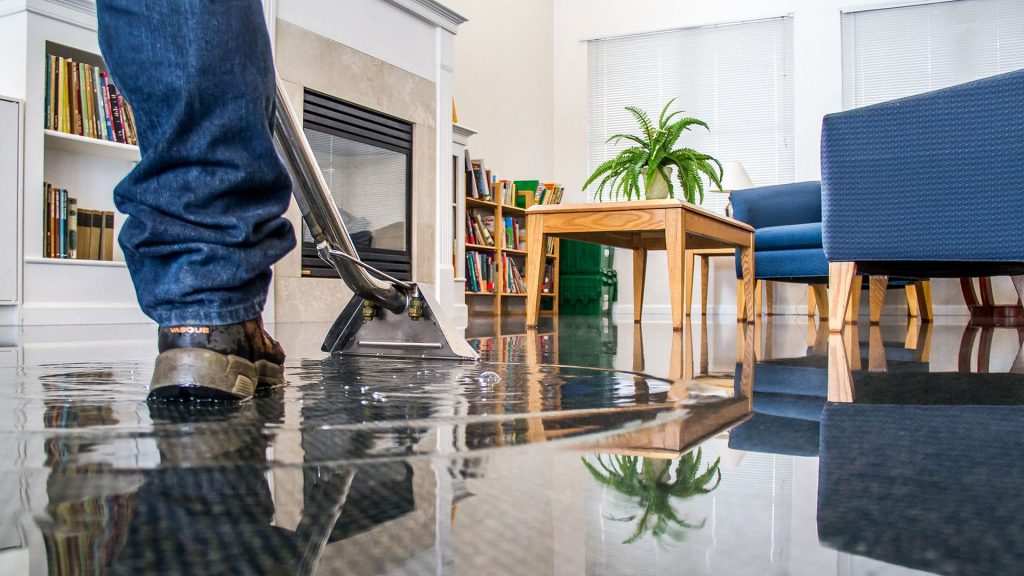
Homeownership comes with many responsibilities, but few are as urgent as managing a sudden water crisis. Whether it is a slow leak behind a dishwasher or a major roof failure during a storm, the result is the same: structural jeopardy. Engaging in professional water damage repairs immediately ensures that small issues don't evolve into massive, budget-breaking catastrophes that threaten your family's safety.
The Long-Term Benefits of Water Damage Repairs
Choosing to repair damage correctly the first time prevents "secondary damage," which is often more expensive than the initial loss. Secondary damage includes things like warped floorboards, peeling paint, and structural instability. Professionals focus on the science of building materials to ensure that every repair is compatible with the original construction, maintaining the home’s aesthetic and functional harmony.
Identifying Hidden Moisture Pockets
One of the biggest challenges in any restoration project is finding the water you cannot see. Moisture can travel behind baseboards and up through the insulation inside your walls. Professionals utilize infrared technology to see these "cool spots," allowing them to target their efforts precisely. This prevents the "hidden mold" syndrome that often plagues homes after a poorly managed leak.
Restoring Electrical and Mechanical Systems
Water and electricity are a dangerous combination. Part of a thorough repair process includes inspecting outlets, wiring, and HVAC components that may have been exposed to moisture. Ensuring these systems are dry and corrosion-free is a critical safety step. Technicians coordinate with specialists to certify that your home’s mechanical systems are fully functional and code-compliant before you move back in.
Modern Techniques in Property Restoration
The technology used in modern restoration has advanced significantly in recent years. We no longer have to tear down every wall to dry a house. Injectidry systems and pressurized drying trailers can often save materials that were previously considered total losses. These innovations save the homeowner time and reduce the amount of construction waste generated during the recovery process.
- Targeted Heat Drying: Using directed heat to pull moisture from dense materials.
- Pressure Drying: Pushing air into wall cavities without removing the drywall.
- Sill Plate Drying: Ensuring the bottom plate of the wall frame is completely dry.
- Vapor Barrier Checks: Ensuring moisture barriers in crawlspaces are intact.
Navigating the Insurance Process
Dealing with insurance adjusters can be the most stressful part of a disaster. Professional repair companies often act as a bridge, providing the technical data and photos required to justify the claim. By having a professional advocate who understands the "language of restoration," homeowners are much more likely to receive a fair settlement that covers the true cost of rebuilding.
- Detailed Estimates: Providing line-item costs for all labor and materials.
- Photo Evidence: Documenting every stage from the initial flood to the final paint.
- Moisture Logs: Proving that the home reached "dry standards" before rebuilding.
- Direct Billing: Simplifying the payment process between the contractor and insurer.
Conclusion
The goal of any restoration project is to make it look like the disaster never happened. Through meticulous water damage repairs, professionals can erase the signs of a flood while strengthening the home against future issues. Taking decisive action today ensures that your property remains a valuable and safe asset, regardless of what the weather or your plumbing might bring.